
Lei 3/2007: the firebreak rules every rural owner in Galicia should know
A plain-English (and Spanish) guide to the 50-metre rule, what counts as a pyrophytic species, and the owner's actual obligations — written for second-home and absentee owners.
If you own a house, finca or plot in rural Galicia, Lei 3/2007 — the regional Wildfire Prevention and Defence Act — applies to you. It does not matter whether the property is your main home, a holiday house, or unoccupied for most of the year. The clearance obligations sit with the owner.
The 50-metre rule, in practice
Within 50 metres of any dwelling, outbuilding or infrastructure, you must keep the ground clear of pyrophytic species and reduce fuel load. That doesn't mean a bare scrape — it means managed vegetation: low grass, isolated specimen trees of permitted species, no continuous canopy or scrub.
- Eucalyptus, pine, acacia and mimosa are restricted within the 50 m strip.
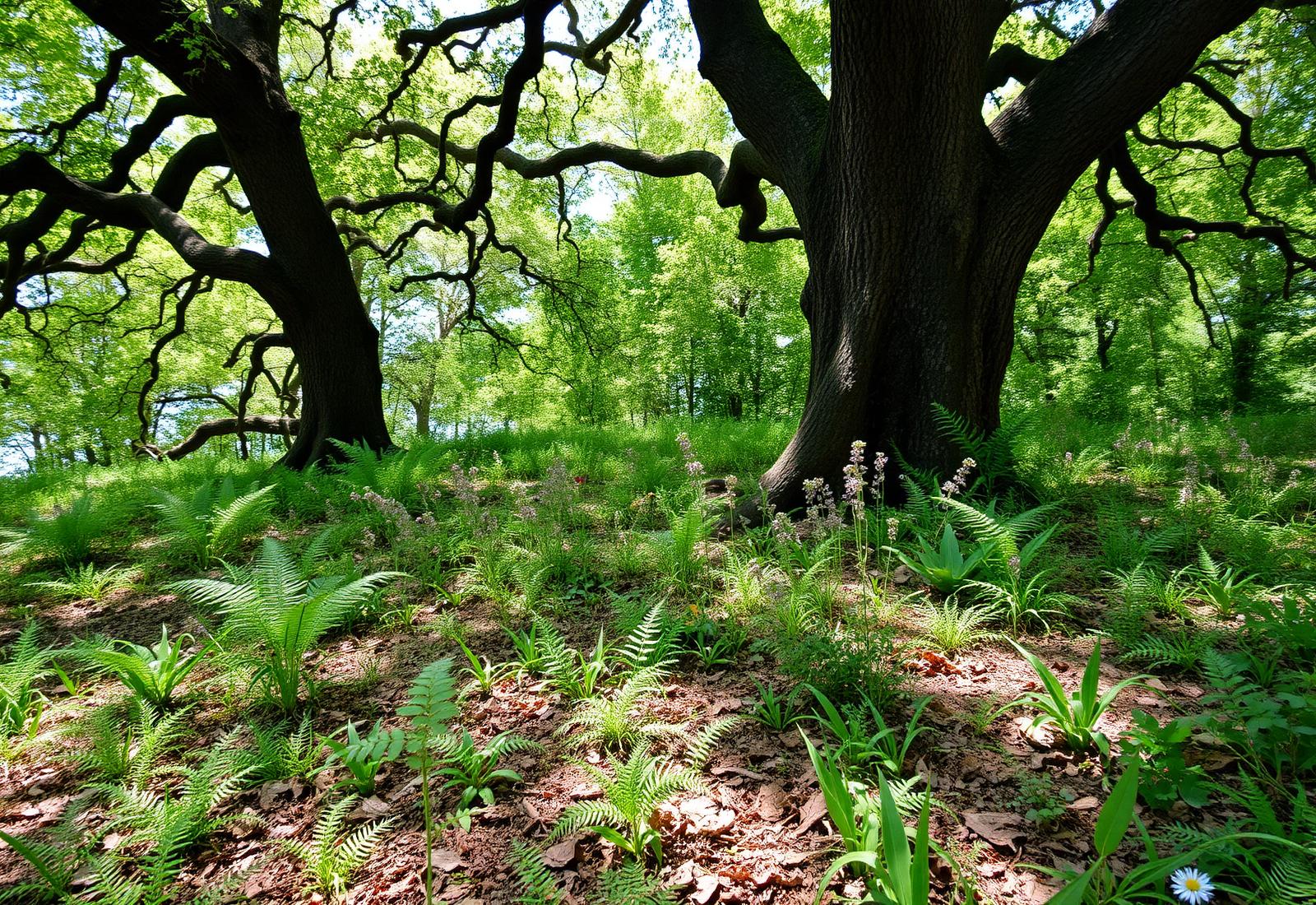
- Native broadleaves (oak, chestnut, alder) can usually remain, with spacing.
- Gorse, broom and bramble must be cleared and kept clear.
- Clearance must be maintained — a one-off cut does not satisfy the law.
Who enforces it, and what happens if you don't
The Xunta and your local concello can both inspect and issue requerimientos. If you don't act, the council can execute the clearance and bill you, plus apply a fine. After a serious fire, insurers also ask for evidence that the perimeter was maintained — without it, claims can be reduced or refused.
What good compliance looks like
A defensible perimeter is not pretty in a magazine sense — it's a working margin of low vegetation, broken canopy and accessible firebreaks along boundaries and tracks. Combined with chipping or removal of cut material, it changes how a fire behaves when it reaches the plot.